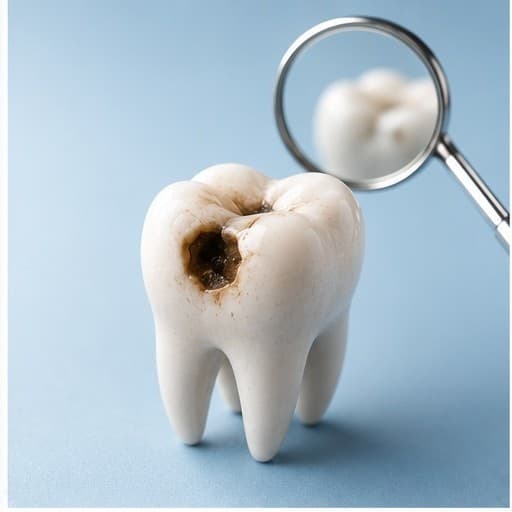
You might already know that sugary soft drinks aren't great for your teeth. But the story is bigger than sugar.
Some beverages can expose your teeth to acids, which can contribute to erosive tooth wear. Others contain sugars that oral bacteria can use to produce acids associated with tooth decay. And when you sip these drinks slowly throughout the day, your teeth may face repeated acid challenges.That doesn't mean you can never enjoy your favourite drink. It means how often you consume it, how you consume it, and what you do afterward can matter.The American Dental Association notes that frequent consumption of acidic foods and beverages is associated with an increased risk of erosive tooth wear, while sugar consumption is associated with increased caries risk.
So, which drinks deserve your attention?
Which Drinks Can Affect Your Teeth?
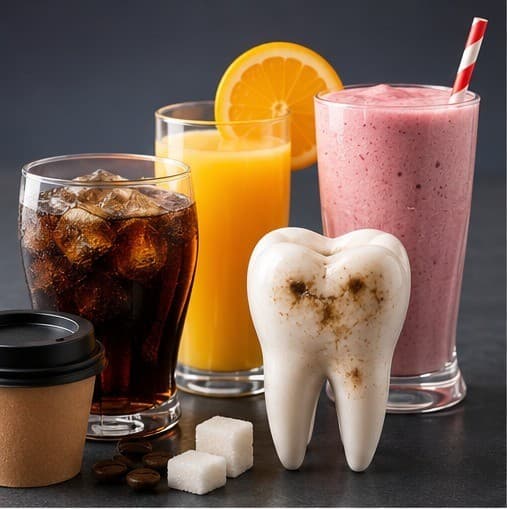
Several common beverages can contribute to dental problems depending on their ingredients and your consumption habits.
These include :
- Soft drinks
- Energy drinks
- Sports drinks
- Fruit juices
- Sweetened iced teas
- Flavoured beverages
- Certain acidic drinks
- Sugary coffee drinks
There are two major concerns: sugar and acidity.Sugar can contribute to the tooth-decay process. Acids can contribute to enamel erosion.And sometimes, a drink can have both.
What's Actually Happening?
Your tooth isn't an inert piece of material.The outer layer, enamel, is the hard protective covering of your tooth. It can withstand a lot, but it is not completely invincible.When you consume carbohydrates and sugars, bacteria in dental plaque can produce acids. These acids can contribute to mineral loss from tooth structure.Acidic beverages can also directly expose teeth to an acidic environment. This is why the pattern of consumption matters.Imagine two people drinking the same acidic beverage.
Person A: They drink it relatively quickly with a meal and then return to water.
Person B: They carry the bottle around and take small sips every few minutes for several hours.The total amount might be similar, but Person B may expose the teeth to acidic conditions repeatedly over a longer period.
The ADA specifically notes that frequency, pattern of consumption and contact time influence erosive tooth wear.The Energy Drink Trap.Energy drinks often look like performance products.But from a dental perspective, the important question isn't whether the branding looks healthy.
It's what's actually in the drink?
Many energy and sports drinks can be acidic, and some contain significant amounts of sugar.If you regularly consume them, particularly by sipping them over extended periods, your teeth may experience repeated exposure.
This doesn't mean one drink will suddenly destroy your enamel.Dental erosion and tooth decay are processes influenced by multiple factors, including diet, oral hygiene, saliva, individual susceptibility and frequency of exposure.That's why your overall pattern matters more than one isolated drink.
What About Fruit Juice?
"It's fruit, so it must be good for my teeth."Not necessarily.Fruit can absolutely be part of a healthy diet. But drinking fruit juice is different from eating whole fruit. Some fruit juices are acidic and contain naturally occurring sugars. The issue isn't that fruit juice is "toxic" to teeth.The issue is repeated exposure to sugar and dietary acids.So instead of treating juice as an unlimited healthy beverage, think of it as something to consume thoughtfully.
Conclusion
Your teeth don't care whether a drink is marketed as energetic, natural, refreshing or healthy.What matters is what you're actually exposing them to.Sugar, acidity, frequency and contact time can all influence oral health.So the next time you reach for a drink, ask yourself one simple question:"Am I drinking this occasionally—or am I bathing my teeth in it all day?"That small difference can matter.