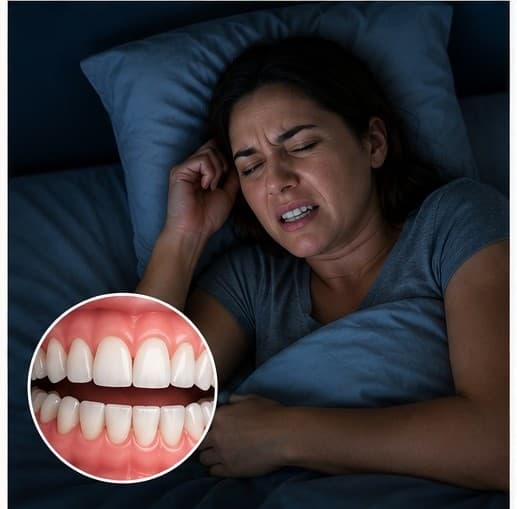
You keep drinking water.Yet your mouth still feels dry.You wake up with a sticky mouth.Your lips feel uncomfortable.Your breath doesn't seem fresh.And you're constantly reaching for another bottle of water.You might think you're simply dehydrated.
But persistent dry mouth can have many possible causes, and it isn't something you should automatically dismiss.Saliva plays a major role in oral health. It helps moisten the mouth, assists with swallowing, clears food particles and provides minerals that help protect teeth.When saliva production is reduced for a prolonged period, your teeth and oral tissues can become more vulnerable.
Why Does Your Mouth Feel Dry?
Dry mouth, also called xerostomia, occurs when there isn't enough saliva to keep the mouth adequately moist.
Possible causes include:
- Certain medications
- Some medical conditions
- Dehydration
- Radiation therapy
- Nerve damage
- Other factors affecting salivary gland function
NIDCR notes that hundreds of medications can cause dry mouth.So if your mouth has suddenly become persistently dry, think beyond simply "I need more water."
Why Is Saliva So Important?
Saliva does much more than keep your mouth wet.
It helps:
- Moisten food
- Make swallowing easier
- Wash away food particles
- Provide minerals such as calcium and phosphate
- Help protect teeth
- Maintain a healthier oral environment
- Reduced saliva can therefore affect more than comfort.
NIDCR notes that persistent dry mouth can increase the risk of tooth decay and oral fungal infections.Signs You Might Have Dry Mouth
Possible symptoms include:
- Sticky feeling in your mouth
- Difficulty chewing
- Difficulty swallowing
- Difficulty speaking
- Dry throat
- Burning sensation
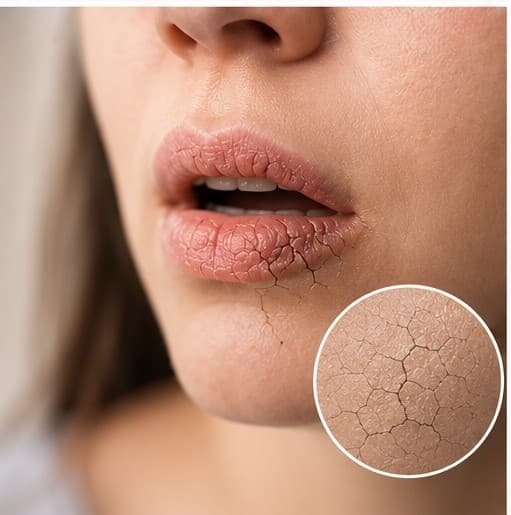
- Cracked lips
- Mouth sores
- Bad breath
- Changes in taste
- Recurrent oral infections
- The Hidden Dental Problem
Here's what makes persistent dry mouth especially important for dental patients.When saliva decreases, your mouth loses some of the protective functions saliva normally provides.That can make maintaining a healthy oral environment more difficult.A person with persistent dry mouth may therefore need a more individualized preventive dental plan.This is especially important if dry mouth is caused by medication or another underlying condition.
Is Dry Mouth Just Dehydration?
Not always.
If you have simply exercised heavily, spent time in hot weather or haven't consumed enough fluids, thirst and temporary dryness may make sense.But if your mouth is persistently dry despite reasonable fluid intake, it is worth discussing with a healthcare professional.Don't simply keep increasing water intake indefinitely without considering the cause.
What Can You Do?
Drink water regularly : Keep water accessible and sip it as needed.
Chew sugar-free gum : Chewing can stimulate saliva production. The ADA notes that chewing sugar-free gum increases salivary flow and may contribute to reducing caries risk when used alongside regular oral hygiene.
Review your medications : If you suspect medication is causing dry mouth, don't stop prescribed medication yourself. Instead, discuss the possibility with your doctor or dentist.
Maintain excellent oral hygiene : Dry mouth can increase oral health risks, making daily plaque control particularly important.Limit tobacco and alcoholThese can worsen oral dryness and contribute to other oral health problems.
Conclusion
Your mouth has its own built-in protection system.It's called saliva.So when your mouth is persistently dry, don't treat it as merely an annoying sensation.Sometimes, the dryness is the symptom—not the whole story.